Every jar of flower on a New Mexico dispensary shelf is the end of a four-to-six-month pipeline that most buyers never see. That pipeline — genetics, cultivation, cure, compliance testing, track-and-trace, and licensed transport — is exactly where craft quality is won or lost, and it’s also what determines whether your supplier can actually deliver when they say they can.
We grow cannabis for a living, so this is the view from inside the rooms. If you buy wholesale flower for a New Mexico dispensary, understanding how a licensed cultivator moves a plant from clone to shelf will make you sharper at forecasting menus, reading COAs, and separating growers who plan their harvests from growers who improvise.
The license behind every legal gram
In New Mexico, every gram of legal wholesale flower starts with a producer license issued by the Cannabis Control Division (CCD) under the state’s Regulation and Licensing Department. The Cannabis Regulation Act set up the framework in 2021, and the CCD maintains a public license lookup — any dispensary buyer can (and should) verify a cultivator’s license status before the first purchase order.
The license isn’t paperwork trivia. It defines what a cultivator can legally grow, how plant counts are tracked, and it ties every batch we produce to the state’s track-and-trace system. When a supplier hands you a manifest, the chain of custody behind it starts at that license. A cultivator who is vague about license class or plant-count status is telling you something about the rest of their operation too.
Stage 1: Genetics — mothers, clones, and why stability matters to buyers
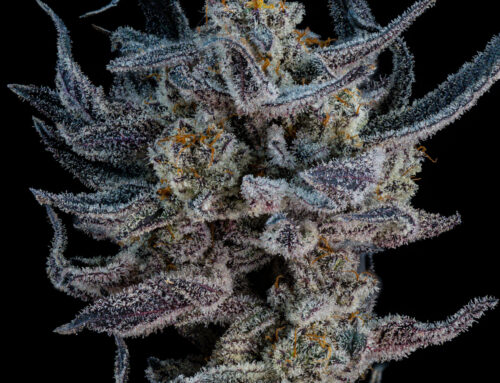
Consistent flower starts long before flower. We keep mother plants of every cultivar in our strain library and cut clones from them, so every run of a strain is genetically identical to the last one. That’s the difference between a strain your customers can come back for and a strain that’s a different smoke every drop.
For a buyer, genetic stability shows up in three places: the terpene profile stays recognizable batch to batch, the bud structure on your shelf matches the sample you approved, and the COA numbers land in a predictable range instead of swinging wildly. When you’re evaluating a new cultivator, ask how they maintain genetics. “We pop seeds when we need more plants” and “we hold verified mothers” are two very different answers.
Stage 2: Veg and flower — where the calendar is set
Once a clone roots, it moves through vegetative growth and then into flower. Indoors, flowering alone runs roughly eight to ten weeks depending on the cultivar. Add veg time in front of that and you’re looking at several months from cutting a clone to cutting the plant down.
This is the part of the pipeline buyers feel most directly, because it means supply is decided months in advance. A small-batch indoor cultivator like us plans rooms in staggered cycles, so harvests come off in a steady rotation rather than one giant flush. That’s what makes a reliable monthly menu possible — and it’s why a serious cultivator can tell you today what’s coming off in eight weeks. Our cultivation methodology page walks through how we run our rooms in more detail.
Stage 3: Harvest, dry, and cure — the patience tax
Harvest day is where craft and commodity split. After the cut, flower has to dry slowly and then cure. Rushing this stage is the single most common corner cut in wholesale flower, because every week spent curing is a week of inventory sitting instead of selling.
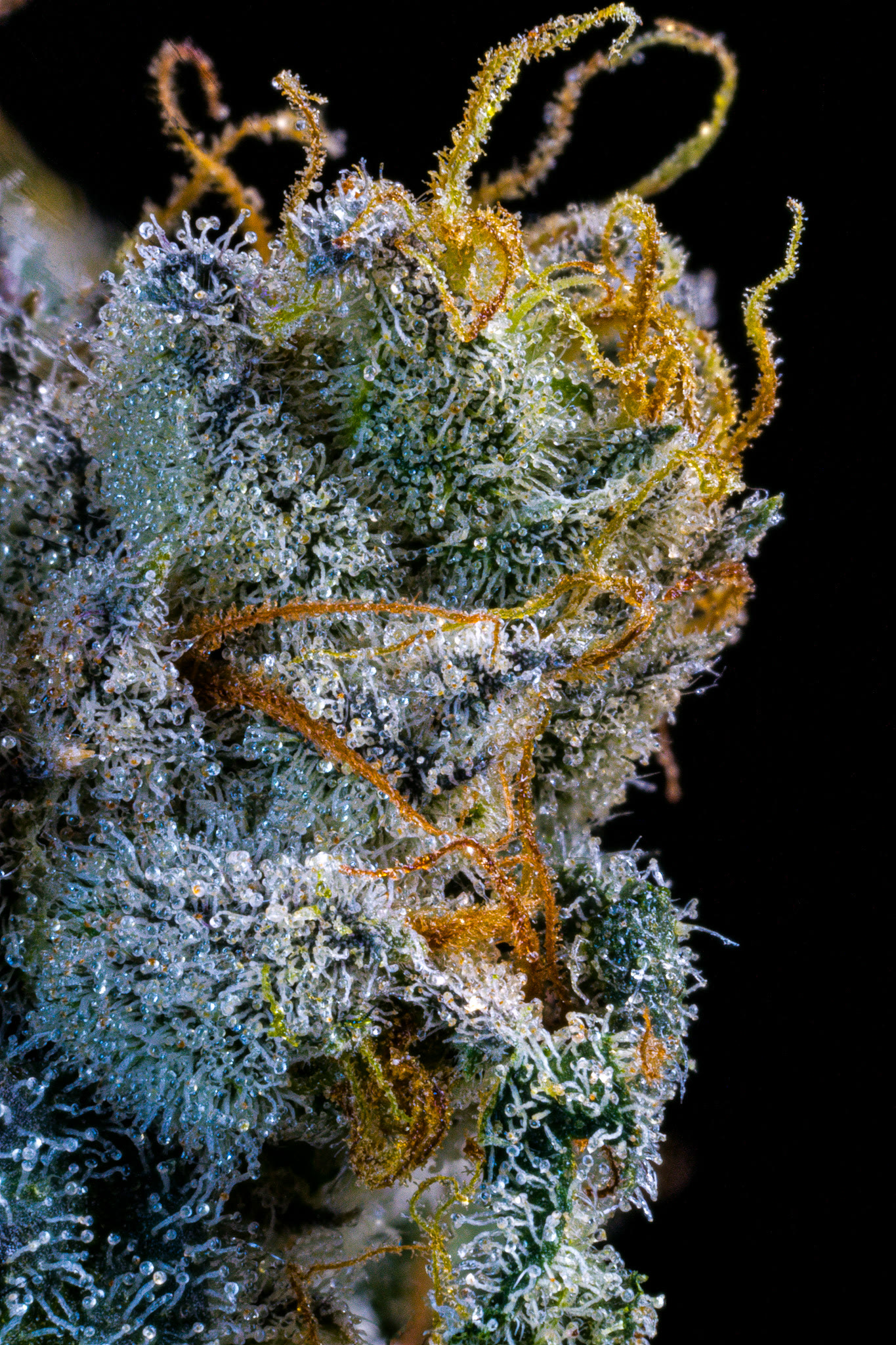
We hand-trim and give flower the cure time it needs, because the difference is obvious the moment a budtender opens the jar: intact trichomes, a nose that actually projects, and smoke that finishes clean. For buyers, the takeaway is that proper cure adds weeks between harvest and availability. If a cultivator can always ship “tomorrow,” ask when it was cut.
Stage 4: Testing and the COA
Before any batch can transfer to a dispensary, New Mexico requires laboratory testing through a licensed lab. The state-required panels cover potency, microbial contamination, mycotoxins, heavy metals, and pesticide residue — and the results ride with the batch as its certificate of analysis.
Two practical points for buyers. First, the COA should match the batch you’re receiving — batch number on the certificate, batch number on the manifest, batch number on the label, all the same. Second, testing adds real time to the pipeline: samples go out after cure, and flower doesn’t move until results come back clean. A cultivator who plans for lab turnaround delivers on schedule; one who doesn’t will keep “waiting on results.” We covered how to read supplier signals like this in our guide to how NM dispensaries source small-batch flower.
Stage 5: Track-and-trace, manifests, and licensed transport
New Mexico tracks commercial cannabis from plant to sale through its state track-and-trace system. Every plant we grow is tagged, every batch is logged, and every wholesale transfer generates a manifest before flower moves an inch. Transport itself happens through licensed channels with the paperwork riding along.
For a dispensary, this is protection. When intake at your store matches the manifest, and the manifest matches the state system, your inventory is audit-proof. When it doesn’t, the compliance exposure lands on your license as well as ours — which is why we treat clean manifests as part of the product, not an afterthought.
What the pipeline means for your ordering calendar
Put the stages together and the practical picture looks like this:
- Supply is set months out. What a cultivator is flowering right now is what you’ll be able to buy next quarter. Ask for the harvest calendar, not just the current menu.
- Small-batch means allocations. Limited rooms mean limited units of each cultivar. Buyers who commit early get first pick of a harvest; buyers who wait get what’s left.
- COA timing drives delivery dates. “Fresh off test” is the sweet spot — cured, verified, and new to the market at the same time.
- Standing orders beat spot buys. A cultivator who knows your monthly pull can plan rooms around it. That’s how small shops keep hero strains in stock without over-ordering.
Frequently asked questions
How long does it take cannabis to go from clone to a dispensary shelf in New Mexico?
For indoor craft flower, roughly four to six months: veg and flower take several months, then drying and curing add weeks, and state-required lab testing has to clear before the batch can transfer to a dispensary.
What lab testing is required for wholesale cannabis flower in New Mexico?
Batches must be tested by a licensed laboratory before transfer. Required panels cover potency, microbial contamination, mycotoxins, heavy metals, and pesticide residue, with results documented on the certificate of analysis that accompanies the batch.
Can dispensary buyers tour the Honey Hole facility?
Our grow is a private, licensed production facility, so we don’t host on-site visits. Instead, we bring the operation to you: current menus, batch-specific COAs, and samples for your buying team, plus direct answers from the growers themselves.
How does wholesale flower get transported to dispensaries in New Mexico?
Through licensed transport with a manifest generated in the state track-and-trace system before the product moves. At intake, your team verifies the physical delivery against the manifest so the chain of custody stays intact end to end.
Talk to the growers
If you buy flower for a New Mexico dispensary and you want a cultivator who treats the whole pipeline — genetics through manifest — as part of the product, we should talk. See what carrying Honey Hole looks like on our wholesale page, or send a wholesale inquiry through our contact page / info@honeyholecannabis.com and we’ll get you the current strain menu and COAs.