If you run a New Mexico dispensary, you already know the calculus: most of your shelf needs to move on volume, but a slice of it has to do the work that volume product can’t. That slice is where small-batch flower lives. It pulls in the buyers who read terpene panels before they read price tags, builds the perception of the rest of your menu, and gives your budtenders something to talk about. The question isn’t whether to carry it — it’s how to source it without ending up with inconsistent lots, a supplier who can’t keep up, or a license that doesn’t hold up to a CCD audit.
This guide is written for purchasing managers, inventory leads, and new shop owners looking to evaluate small batch cannabis wholesale partners in New Mexico. It covers what small-batch actually means under the state’s licensing framework, the trade-offs against volume product, and the checklist we’d want you to use on any cultivator you’re considering — including us.
What “Small-Batch” Actually Means in New Mexico Cannabis
The term gets thrown around loosely, so let’s anchor it. New Mexico’s Cannabis Regulation Act took effect April 1, 2022, and the Cannabis Control Division (CCD) within the Regulation and Licensing Department licenses cultivators by plant count tier. A producer choosing to stay in the lower tiers is making a capacity decision — they’re capping how many plants they grow at any one time, which caps how many pounds reach the market each cycle.
Small-batch isn’t a marketing word for “fancy flower.” It’s a structural choice. A cultivator running 200 plants in a single indoor room is making different decisions than a 10,000-plant greenhouse operation, and those decisions show up in the finished product. Pheno selection, feeding schedules, trim quality, cure time — all of it gets easier to control when the lot is small enough for one team to actually pay attention to.
For a dispensary buyer, the practical definition is this: a small-batch supplier is one whose lot sizes are small enough that quality variance between harvests is manageable, and whose cultivation team is hands-on with every plant from clone to cure.
The Trade-Off: Scale vs. Craft Quality
Large-scale cultivation has a job to do. Volume producers keep dispensary shelves stocked, hit price points the average customer wants, and absorb the supply shocks that hit New Mexico’s market every quarter. There’s no shame in that part of the lineup, and we’re not arguing against it.
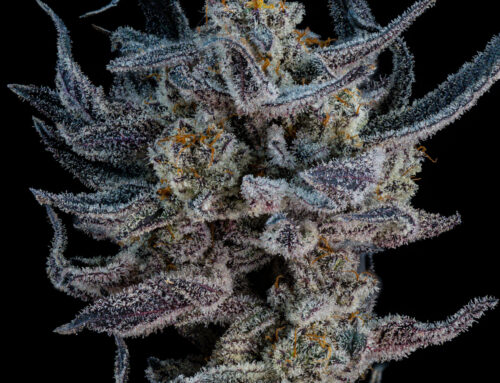
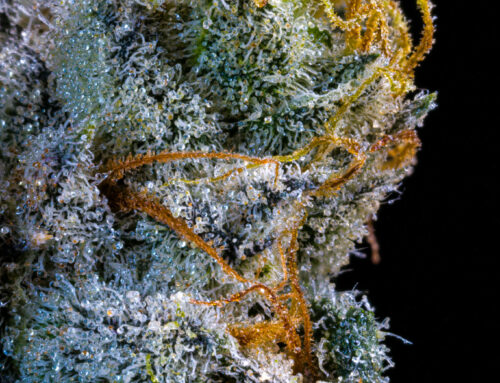
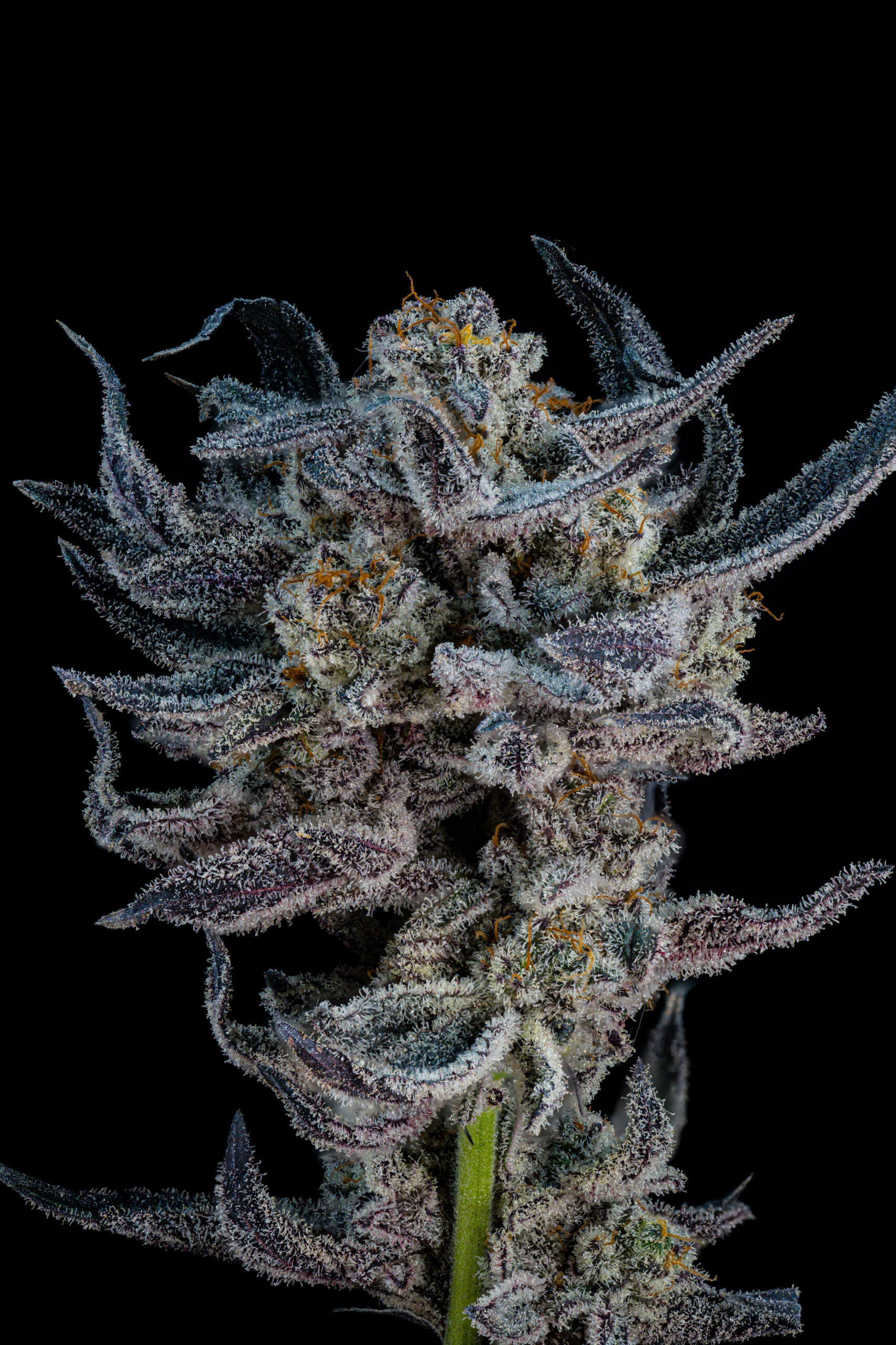
What volume product struggles to do is preserve terpene expression and trichome integrity. Bigger rooms get harder to dial in environmentally. Machine trimming is faster but takes visible trichome heads with it. Cure times get shorter when there’s pressure to turn rooms over. The result is flower that hits potency targets but reads flatter on the nose, looks rougher under a jeweler’s loupe, and gives your budtenders less to work with on the floor.
Small-batch fills the slot that volume product can’t. It’s the flower that gets pulled out for the customer who came in asking specifically about terpene profiles. It’s the lot that holds its own against the out-of-state product your customers reference. It’s not the whole menu — but it’s the part of the menu that defines how customers perceive the rest of it.
What Dispensary Buyers Should Look For in a Small-Batch Supplier
If you’re evaluating craft cannabis cultivator new mexico options for the first time, here’s the checklist we’d hand you. Use it on us, use it on anyone.
- Active NM CCD license in good standing. Verify the license number with the Cannabis Control Division before any product changes hands. A reputable cultivator will provide this on request without hesitation.
- Indoor vs. greenhouse vs. outdoor. All three have their place, but for small-batch shelf product where terpene preservation matters, indoor environments give the cultivator the most control over temperature, humidity, and light spectrum across the late flower window when terpene synthesis is happening.
- Substrate and nutrition philosophy. Ask what they’re growing in and what they’re feeding. Coco coir blended with peat-based mediums like Tupur, paired with organic amendments, produces a different finished product than hydroponic or synthetic-only programs. Neither is automatically better — but the answer tells you whether you’re talking to a cultivator who can explain their process.
- Hand-trim vs. machine-trim. Machine trim is fine for pre-roll feedstock. For top-shelf flower jars, hand-trim preserves trichome heads that machines knock off. Pull a sample and look at it under magnification before you commit.
- Cure time and storage practices. A rushed cure shows up in the smoke. Ask how long they cure before packaging and how they store finished product between harvest and delivery. Two-week cures get the job done; longer cures separate craft operations from rushed ones.
- COA on every drop, full panel. Certificate of Analysis from a third-party lab is non-negotiable — that’s compliance, not a perk. But ask what panel they run. Full panel covers potency, terpenes, pesticides, residual solvents (where applicable), microbials, mycotoxins, and heavy metals. If the COA only shows THC%, that’s a flag.
- Lot consistency over time. Anyone can have a good first drop. Ask for COAs from the last three to four harvests of the same strain. Look at how tight the terpene profiles run and whether potency stays in a believable range. Volatility there tells you something about their process.
- Communication cadence. A wholesale relationship is a relationship. If your supplier is hard to reach during the sales process, they’ll be harder to reach when a lot doesn’t show up on time.
How Honey Hole Does It
Holding ourselves to the same checklist: Honey Hole Cannabis Co is a New Mexico craft cultivator with one of the state’s first recreational licenses, issued under the post-2022 Cannabis Regulation Act framework. We’re wholesale-only — no retail counter, no walk-in traffic — which means our entire operation is built around supplying dispensary buyers and nothing else.
Our cultivation method is indoor, hand-trimmed, and built around a hybrid organic-salt feeding program. Substrate is coco coir blended with Royal Gold Tupur. Nutrition runs Down To Earth organic amendments alongside our terp teas — brewed compost teas applied through late flower, designed to support the soil biology that drives terpene expression. Lot sizes are intentionally small. That’s a capacity decision, not a bottleneck.
COA accompanies every drop. Our active rotation right now includes Watermelon Wonder, Permanent Marker, and Oreoz, with additional phenos in pheno-hunt that haven’t been announced yet. We rotate the lineup rather than running the same three strains indefinitely, which gives buyers a reason to keep checking in.
Building a Small-Batch Slot Into Your Dispensary Lineup
A common starting ratio for shops adding craft to their menu is roughly 20% small-batch / 80% volume by SKU count, though the revenue split usually skews different. Small-batch flower carries a higher per-unit margin and a slower turn rate, and that’s the trade you’re making.
Where small-batch earns its slot is the perception lift it gives the rest of your menu. Customers who try a craft jar — even once — read your shop differently afterward. Budtenders have something to recommend to the customer who walks in saying “I want something better than what I had last time.” And the staff conversations you can have around terpene profiles and cultivation methods raise the floor on every transaction.
The shops that struggle with craft flower are the ones who treat it as an afterthought. The ones who succeed give it shelf real estate near the counter, train their staff on the cultivator’s process, and merchandise it with the COA visible. If you’re going to carry it, carry it on purpose.
Working With Honey Hole
Honey Hole sells wholesale to NM CCD-licensed dispensaries only. We are not a public-facing operation, our grow location is private, and we do not sell direct to consumers under any circumstance. If you’re a licensed dispensary buyer evaluating small batch wholesale flower NM partners, we’re set up to make that conversation easy.
License verification is part of our intake. Have your CCD license number and operating entity ready when you reach out. Initial conversations cover available strains, current and upcoming drops, lot sizes, and lead time. MOQ, lead time, and payment terms are set on a per-account basis depending on order size and order cadence — contact us for current numbers rather than working off anything you read on the internet.
NM CCD-licensed dispensary buyers can reach our wholesale line at (505) 433-7236 or info@honeyholecannabis.com. You can also contact us through the site and we’ll route the inquiry to the wholesale desk directly.
Frequently Asked Questions
What is the minimum order quantity for Honey Hole wholesale?
MOQ is set on a per-account basis depending on strain availability, order cadence, and dispensary size. Contact our wholesale line directly for current MOQ numbers — we don’t publish them publicly because they shift with what’s in flower at any given time.
What is the typical lead time on a wholesale order?
Lead time depends on what’s currently cured and packaged versus what’s still in late flower or cure. Some lots ship within days of order confirmation; others run on a harvest schedule. We’ll quote lead time at the time of inquiry based on what’s available.
Do you provide COAs with every wholesale lot?
Yes. Full-panel third-party Certificate of Analysis accompanies every drop. Buyers receive the COA before or with the lot — we do not ship product without it.
What strains are currently available?
Our active wholesale rotation includes Watermelon Wonder, Permanent Marker, and Oreoz, with additional phenos in pheno-hunt. The lineup rotates, so contact the wholesale line for current availability rather than relying on a static list.
How do I verify Honey Hole’s NM cannabis license?
The New Mexico Cannabis Control Division maintains a public licensee registry. We provide our license number on request during the wholesale intake process so you can verify directly through CCD before any product changes hands.
Does Honey Hole sell direct to consumers?
No. Honey Hole is a wholesale-only cultivator. We sell exclusively to NM CCD-licensed dispensaries. There is no public retail counter and no direct-to-consumer channel.
What payment terms does Honey Hole offer wholesale accounts?
Payment terms are set per account based on order size, order history, and cadence. Contact our wholesale line for current terms — we tailor terms to the relationship rather than running a single published schedule.
Where is Honey Hole located?
Honey Hole operates in New Mexico under NM CCD licensing. Our grow facility is private and not open to the public — wholesale relationships are conducted by phone, email, and through our wholesale intake process rather than on-site visits.
Related reading: Clone to Shelf: How a Licensed New Mexico Cannabis Cultivator Gets Flower Into Dispensaries — the pipeline behind the lead times and COAs covered above.